

Hair loss is common and may appear slowly or more suddenly. Because many conditions look similar in the early stages, accurate diagnosis is important before treatment begins. The most frequent causes include androgenetic alopecia (pattern hair loss), telogen effluvium and alopecia areata. Dr Diana Sorin has a particular interest in diagnosing and managing hair loss, supported by extensive previous training in this area.
Androgenetic alopecia, also known as male or female pattern hair loss, is a common cause of gradual hair thinning. Treatment is most effective when started early, and we offer personalised medical and scalp-directed therapies to maintain and restore hair density.
Androgentic Alopecia
(Male or Female Pattern Hair Loss)
What It Is
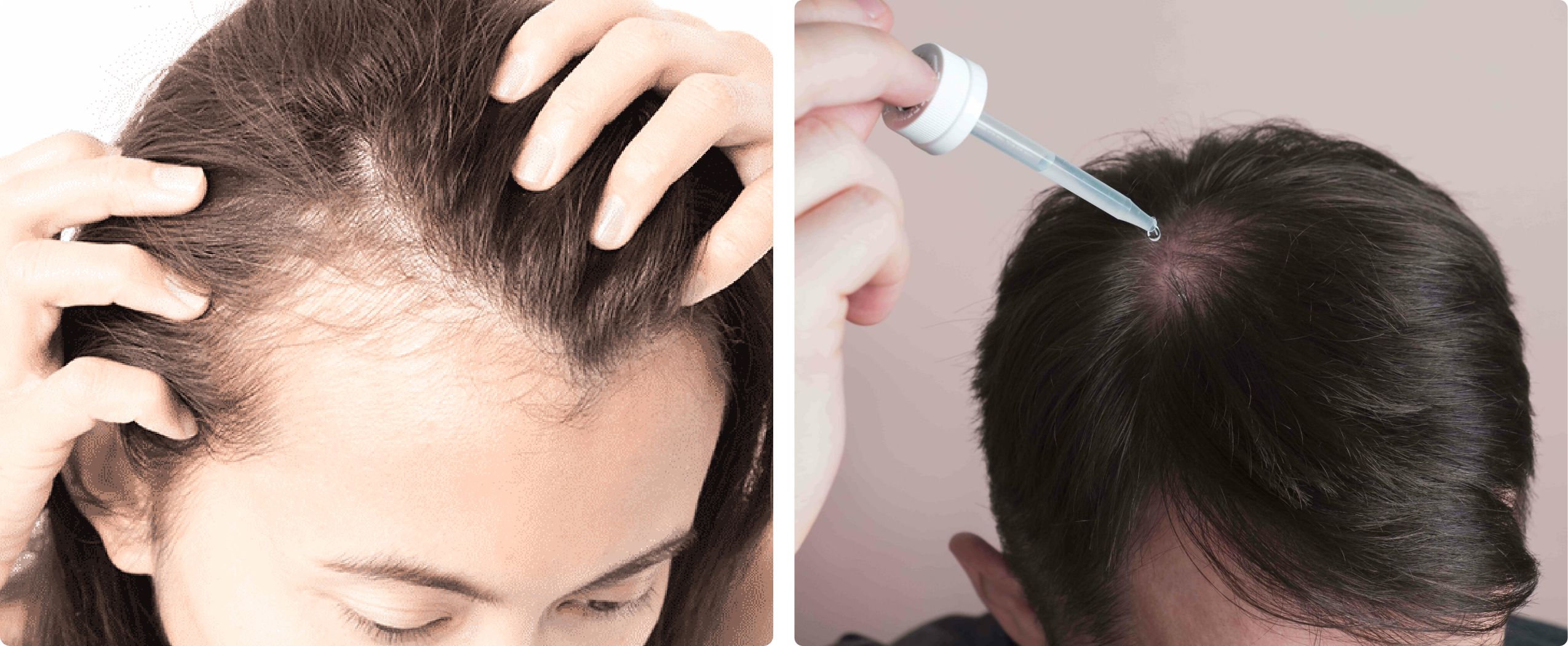
Androgenetic alopecia is a common condition in which hair gradually becomes finer and thinner due to genetic and hormonal influences. In men, this may appear as thinning on the crown or recession at the temples. In women, it usually causes diffuse thinning across the top of the scalp while the frontal hairline is generally maintained.
Why Diagnosis Is Important
Several other hair and scalp conditions can look similar but require different management. These include telogen effluvium, alopecia areata, scarring alopecia, thyroid disorders and nutritional deficiencies. A correct diagnosis is therefore essential. Assessment in our clinic includes a detailed scalp examination and may be supported by trichoscopy to closely evaluate hair follicle patterns.
Treatment Options
Treatment is tailored to each individual. We offer evidence-based medical therapies including oral minoxidil, finasteride, dutasteride, spironolactone, bicalutamide amongst others. These medications may help stimulate hair growth, reduce hormonal effects on the follicles, or support the hair growth cycle. In selected patients, dutasteride mesotherapy may also be recommended. This involves delivering small amounts of dutasteride directly into the scalp to act where it is needed most, while minimising whole-body exposure. Treatment choices depend on factors such as age, sex, medical history and treatment goals, and are monitored to ensure safety and effectiveness.
Monitoring Progress
To objectively track response to treatment over time, we offer trichogram monitoring. This allows us to measure changes in hair density and growth patterns and adjust the treatment plan as needed. Our aim is to support gradual, natural and sustainable improvement in hair volume.
If you are concerned about ongoing hair thinning or would like to understand your treatment options, a detailed assessment can help clarify the cause and guide a personalised treatment plan. We are here to support you through each step with realistic guidance and steady, sustainable improvement in mind.
Frequently Asked Questions
What is androgenetic alopecia?
It is the medical term for male or female pattern hair loss. Hair follicles gradually become smaller over time, producing finer and shorter hairs which leads to a noticeable reduction in hair volume.
Can women get androgenetic alopecia?
Yes. Although often discussed in the context of men, this condition is also very common in women. The pattern of thinning is usually different, with women more often experiencing diffuse thinning across the top of the scalp.
How do I know if my hair loss is androgenetic alopecia?
Several other conditions can mimic this type of hair thinning. A proper diagnosis is important so that the correct treatment is used. A dermatologist can assess the pattern of hair loss and may use trichoscopy to closely examine the hair follicles.
Do I need blood tests?
Blood tests may be recommended if there is a possibility of nutritional deficiencies, thyroid imbalance or other medical factors contributing to the hair loss. They are not required in every case.
What treatments are available?
Treatment is personalised. Options include medications that stimulate hair growth or reduce hormonal effects on the follicles. These may include oral minoxidil, finasteride, dutasteride, spironolactone, bicalutamide amongst others.
What is dutasteride mesotherapy?
Dutasteride mesotherapy involves delivering small amounts of dutasteride directly into the scalp to act where it is needed most. It can be useful in patients who cannot tolerate oral medication or who want to enhance their current treatment plan.
How long does treatment take to work?
Hair growth is slow by nature. Most treatments require at least 3 to 6 months before visible improvement is seen. Continued treatment is often needed to maintain results.
Will I need ongoing treatment?
Androgenetic alopecia is a progressive condition, meaning that without treatment the hair may continue to thin. Ongoing therapy helps maintain and improve hair density over time.
How do you track progress?
We offer trichogram monitoring to objectively measure hair density and growth patterns over time. This allows us to assess progress accurately and adjust treatment if needed.
Alopecia Areata
What It Is
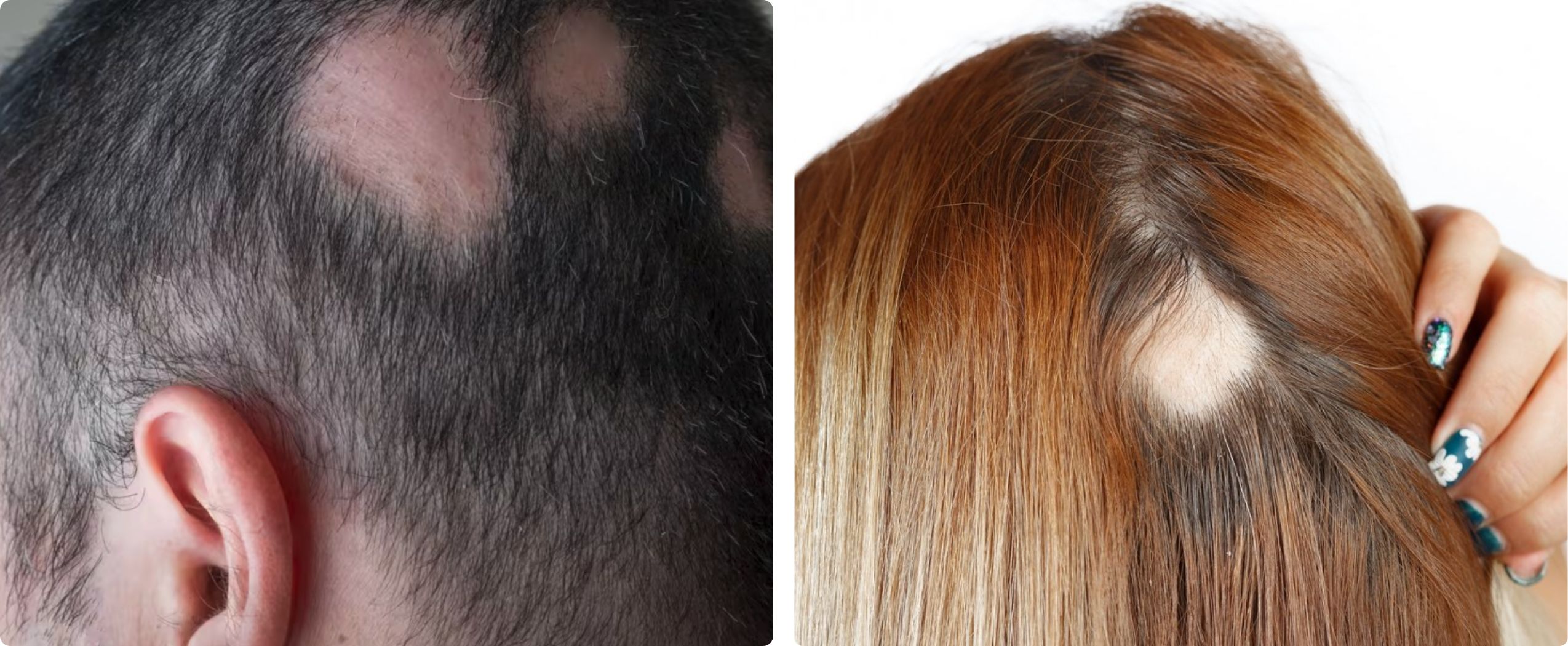
Alopecia areata is an autoimmune condition in which the immune system targets the hair follicles, leading to well-defined, round or oval patches of hair loss. It can occur on the scalp, beard area or any hair-bearing site. In some people, the condition may be mild and self-limited, while in others it may fluctuate or recur over time. The skin in the affected areas typically appears smooth and normal, without scarring.
Who Can Be Affected
Alopecia areata can occur at any age and in both men and women. It is not caused by stress alone, although stress may make the condition more noticeable. The exact cause is not fully understood, but genetics and immune regulation are known to play a role. Nails may also be affected in some individuals, appearing pitted or ridged.
Why Diagnosis Matters
Alopecia areata has characteristic features on scalp examination, particularly when assessed with trichoscopy, which can help confirm the diagnosis. It is important to distinguish it from other forms of hair loss, especially scarring alopecias, which require different treatment. Blood tests may be suggested to check for associated conditions such as thyroid or autoimmune disorders when relevant.
Treatment Options
The aim of treatment is to reduce immune-driven inflammation around the hair follicles and encourage regrowth. Treatment is tailored to severity, pattern and rate of progression. Options may include topical or intralesional corticosteroids, and topical immunotherapy may be considered for more widespread involvement. In more extensive, rapidly evolving or persistent cases, systemic medications may be appropriate. These can include immunomodulatory treatments or JAK inhibitors, which act on specific immune pathways involved in alopecia areata. Suitability for these treatments is assessed individually, taking into account response, medical background and treatment goals.
Monitoring and Expectations
Alopecia areata can be unpredictable. Some patients experience spontaneous regrowth, while others may have periods of flare and remission. Regrowth often begins with fine, pale hairs that gradually thicken and darken. Regular follow-up allows treatment to be adjusted as needed and provides ongoing support and guidance throughout the course of the condition.
Frequently Asked Questions
What causes alopecia areata?
Alopecia areata is an autoimmune condition in which the immune system mistakenly targets the hair follicles. The exact cause is not fully understood, but genetics and immune regulation play a role. It is not caused by poor health, hair products or hygiene.
Can stress cause alopecia areata?
Stress does not directly cause alopecia areata, but it may trigger a flare or make the condition more noticeable. Many people develop alopecia areata during normal life periods without any significant stress.
Will my hair grow back?
In many cases, hair can regrow. With current treatment options, including targeted topical therapies, intralesional treatments and systemic medications such as JAK inhibitors, we are often able to facilitate and encourage meaningful hair regrowth in the majority of patients. However, the course can still vary from person to person, and ongoing guidance helps achieve the best outcome.Is alopecia areata contagious?
No. Alopecia areata is not contagious and cannot be passed from person to person.
How is alopecia areata diagnosed?
Diagnosis is made through clinical examination of the scalp and may be supported by trichoscopy, which allows close evaluation of the follicles. Blood tests may be suggested in some cases to check for associated conditions such as thyroid or autoimmune disorders.
What treatments are available?
Treatment depends on the extent and rate of hair loss. Options include topical or intralesional corticosteroids, topical immunotherapy and, in more extensive or rapidly evolving cases, systemic medications including JAK inhibitors. Treatment is individualised based on response and overall health.
How long does treatment take to work?
It may take several weeks to months to see visible regrowth. Because alopecia areata can fluctuate, follow-up is helpful to guide treatment at each stage.
Can alopecia areata become permanent?
Most cases do not cause scarring and therefore hair follicles remain capable of regrowth. However, the course can be variable, and early assessment helps guide the most appropriate treatment approach.
Telogen Effluvium
What It Is
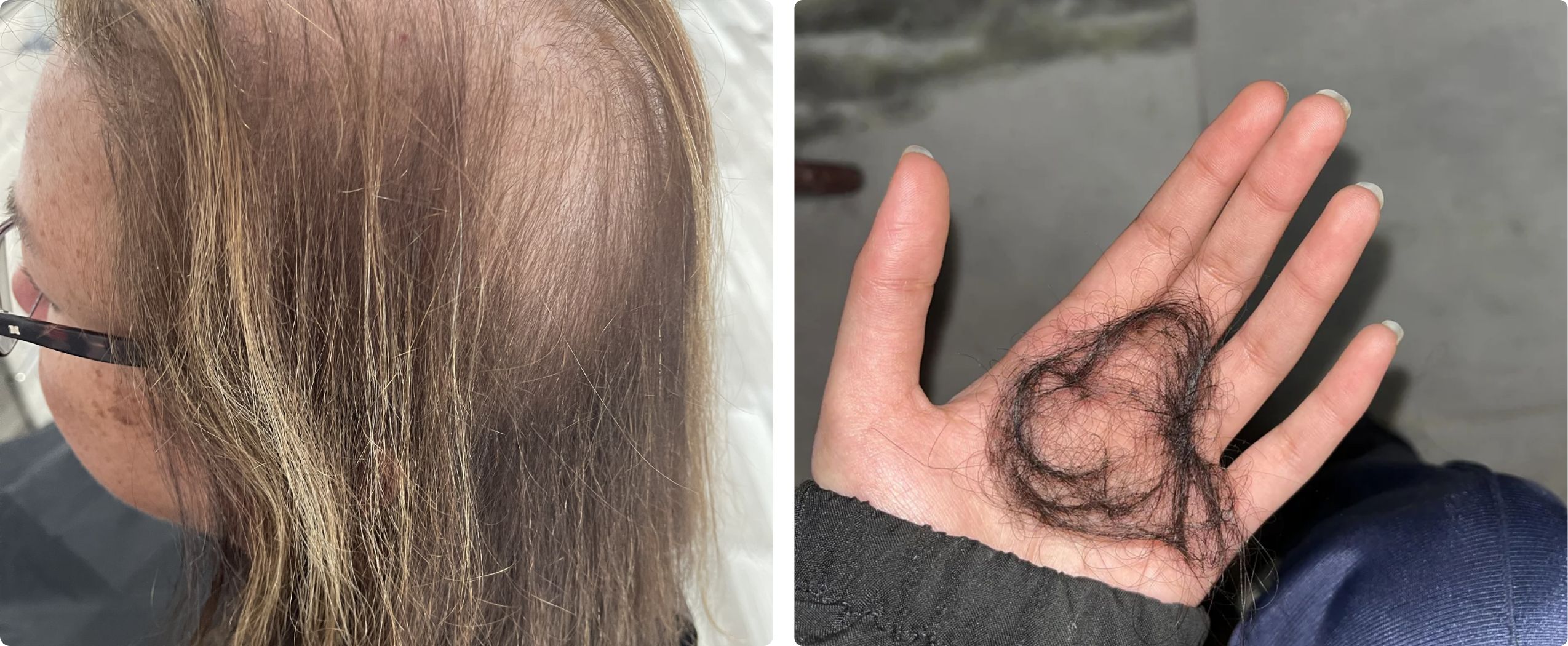
Telogen effluvium is a common cause of diffuse hair shedding. It occurs when a larger number of hairs than usual enter the resting (telogen) phase of the growth cycle at the same time. This leads to increased daily shedding, often noticed on the pillow, in the shower or when brushing the hair. The scalp usually looks healthy and the hairline is typically maintained.
Common Triggers
Telogen effluvium often develops several weeks to months after a trigger. This may include illness, fever, surgery, weight change, emotional stress, iron or nutritional deficiency, thyroid imbalance, childbirth or changes in medication. Once the trigger is addressed, shedding usually settles, although recovery can take time.
Diagnosis
Diagnosis is based on the pattern of shedding and scalp examination, and may be supported by trichoscopy. Blood tests are sometimes recommended to check for contributing factors such as low iron stores or thyroid conditions.
Management and Outlook
Treatment focuses on identifying and addressing any underlying triggers while supporting healthy hair regrowth. Most cases improve gradually, as the hair follicles remain intact and capable of producing new hair. In some situations, medical therapies may be used to support the growth cycle during recovery. Patience is often required, as visible improvement can take several months. Our role is to provide guidance, monitoring and reassurance throughout the process.
 (03) 9623 3355