
These conditions occur when the immune system mistakenly attacks the body’s own tissues. They can affect the skin, joints, muscles and internal organs. Early diagnosis and coordinated care are important.
Dr Stavrakoglou has over 20 years of experience diagnosing and managing autoimmune connective tissue diseases. He was previously part of the multidisciplinary dermatology–rheumatology team at Hillingdon Hospital in London and is currently part of the multidisciplinary team at The Alfred Hospital in Melbourne.
Lupus
Lupus may affect only the skin or may involve internal organs. Skin signs include photosensitive rashes, scaly plaques, mouth ulcers and the classic butterfly rash.
Management
Treatment may include sun protection, topical therapies, corticosteroids, hydroxychloroquine or systemic immunomodulators depending on severity.
Dermatomyositis
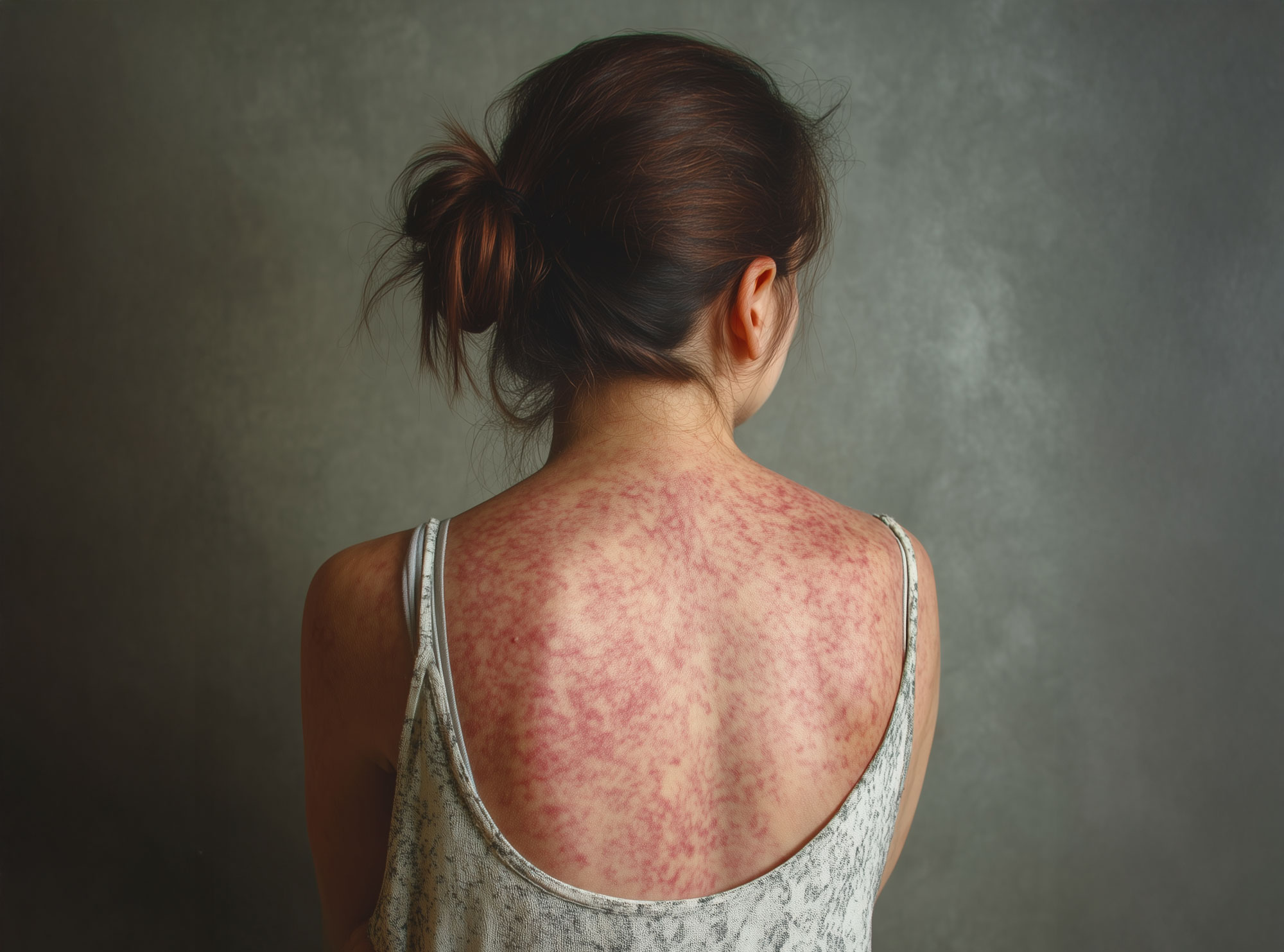
Dermatomyositis causes characteristic rashes on the eyelids, knuckles and sun-exposed areas, sometimes along with muscle weakness. Some patients have only skin involvement.
Management
Evaluation may include screening for internal involvement or associated conditions. Treatment may include corticosteroids, antimalarials or immunosuppressive medication.
Systemic Sclerosis
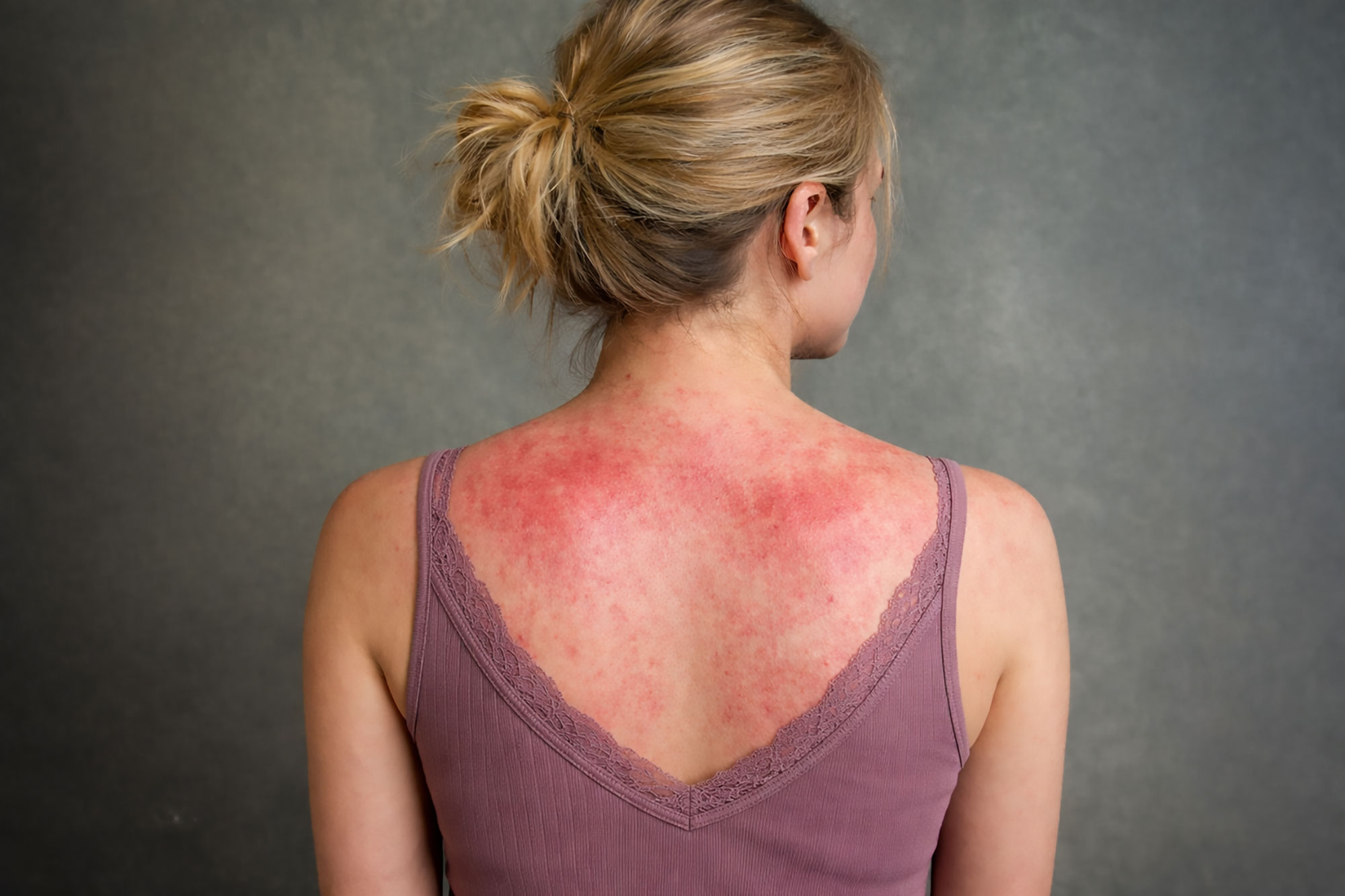
Systemic sclerosis causes thickening of the skin and can involve internal organs. Localised forms such as scleroderma and morphoea affect only the skin. Features may include skin tightening, colour changes and Raynaud’s phenomenon.
Management
Treatment depends on the subtype and may include topical therapy, phototherapy, medications to improve circulation or immunosuppressive agents.